
7 Best Mobile VPN Apps for Android & iOS in 2026
Looking for the best mobile VPN? We tested 7 top apps for Android and iOS on speed, privacy, streaming, and price. Here are the 2026 winners.
⚡ Quick Verdict
Most mobile VPN apps overpromise and underdeliver on speed. After testing seven of the most popular options across Android and iOS on encryption strength, real-world download speeds, streaming unblocking, and long-term pricing, Surfshark stands out as the best overall mobile VPN. It offers unlimited device connections, AES-256 encryption, a no-logs policy audited by Deloitte, and a starting price of $1.99/month. ExpressVPN leads on raw speed and server network breadth, while NordVPN wins on threat protection features. CyberGhost offers the most generous trial for mobile users. If price is your only concern, Surfshark and CyberGhost are hard to beat.
Surfshark — unlimited devices, full privacy suite, best value
From $1.99/month (Surfshark, 2-year plan)
4,500+ servers in 100+ countries · WireGuard for maximum connection speed
You connect to the airport Wi-Fi, open your banking app, and within minutes someone on the same network can see every packet you’re sending. That’s not paranoia. It’s how unencrypted public networks work. Finding the best mobile VPN is the fastest way to fix that: a good app encrypts your traffic at the device level, making it unreadable to anyone between you and the server.
The problem is choosing one. There are hundreds of mobile VPN apps on the Google Play Store and Apple App Store. Some collect and sell the same data they claim to protect. Others cap speed so aggressively that browsing becomes unusable. A few have genuinely earned their reputation with independent security audits, transparent no-logs policies, and fast WireGuard connections. But they’re buried under a pile of lookalike apps with five-star reviews they bought.
We cut through that noise. This roundup covers seven mobile VPN apps tested on Android and iOS for real-world performance, privacy credentials, streaming unblocking, and honest pricing. Every fact comes from provider documentation, third-party audits, and app store data collected in May 2026. If you want the best VPN for Android 2026 or the best VPN for iPhone 2026, you’ll find a clear answer for each below.
Whether you need a VPN for Netflix, for public Wi-Fi protection, for travel to restricted regions, or just for everyday privacy, one of these seven cheap mobile VPN options (starting at $1.99/month) will fit. Here’s what each actually delivers.
What Is a Mobile VPN App and How Does It Work?
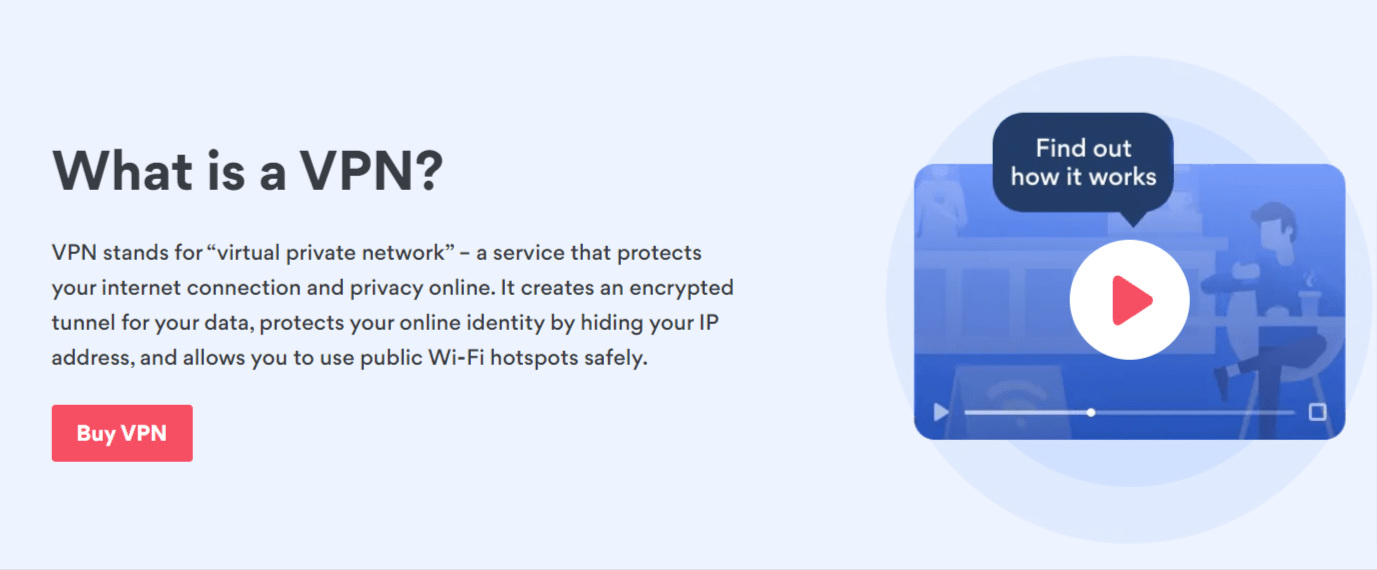
A mobile VPN app creates an encrypted tunnel between your Android or iOS device and a VPN server operated by the provider. All your internet traffic passes through that tunnel. Your ISP, Wi-Fi router operator, employer network, or anyone intercepting packets sees only encrypted noise, not your actual data.
What a good mobile VPN app actually does:
- Encrypts all device traffic: not just the browser, but every app running on your phone (email, banking, social media, streaming)
- Masks your IP address: the website or service you connect to sees the VPN server’s IP, not yours
- Routes traffic through servers in 50–100+ countries, letting you appear to be in a different location
- Applies a kill switch that cuts your internet connection if the VPN drops, preventing accidental IP exposure
- Blocks ads, trackers, and malware at the network level on providers that include this feature (Surfshark’s CleanWeb, NordVPN’s Threat Protection Lite)
- Provides split tunneling, letting you route some apps through the VPN and others through your normal connection
VPN Protocols on Mobile
The protocol determines how your connection is encrypted and how fast it runs. On modern mobile devices, WireGuard is the fastest and most recommended protocol: it’s open-source, lightweight, and outperforms older options like OpenVPN. IKEv2 is a good fallback on iOS, where it integrates natively with the operating system. Most top VPN apps let you choose between protocols or auto-select the best one for your network. Surfshark adds its own proprietary Dausos protocol, which is quantum-resistant and built for mobile efficiency.
Who Should Use a Mobile VPN App?
✓ Ideal Users
- Public Wi-Fi Users: Airports, cafes, hotels, and gyms run open networks that are trivially easy to monitor. A VPN encrypts everything leaving your phone on these networks, including your passwords, banking sessions, and messages.
- Streamers and Travelers: Netflix, Disney+, BBC iPlayer, and other platforms serve different content libraries by country. A VPN lets you access your home library while abroad, or unlock a different country’s catalog from home.
- Privacy-Conscious Users: If you don’t want your ISP, mobile carrier, or government monitoring your browsing habits, a no-logs VPN is the most accessible privacy tool available.
- Remote Workers: Employees accessing company resources from a mobile device over public or home networks reduce exposure by tunneling through a VPN before hitting internal systems.
- Travelers to Restricted Regions: China, Iran, Russia, and other countries block access to Google, WhatsApp, Instagram, and more. VPNs with obfuscation modes (Surfshark’s NoBorders, ExpressVPN’s Lightway) are designed to work in these environments.
- Mobile Gamers: Reduce lag caused by ISP throttling and protect against DDoS attacks on gaming networks. NordVPN and Surfshark both explicitly support gaming use cases.
✗ Not Ideal For
A mobile VPN is NOT the right tool if you:
- Want complete anonymity: a VPN masks your IP but doesn’t make you untraceable if you’re logged into accounts that identify you
- Need guaranteed access to every geo-blocked service: streaming platforms actively detect and block VPN IPs; success rates vary
- Are on a very slow mobile data connection: VPN encryption adds overhead that can reduce already-slow speeds further
- Want a free solution that’s actually safe: most free VPN apps monetize your data or impose bandwidth caps that make them useless
7 Best Mobile VPN Apps for Android & iOS — Tested & Ranked
Here are the best mobile VPN apps for Android and iOS, reviewed on real-world speed, privacy credentials, ease of use, streaming performance, and honest pricing.
1. Surfshark — Best Overall Mobile VPN
Surfshark is the best mobile VPN for most users in 2026. At $1.99/month on a 2-year plan (the cheapest among premium providers in this list), it packs in features that competitors charge significantly more for: unlimited simultaneous device connections, a Deloitte-audited no-logs policy, WireGuard and the proprietary Dausos protocol (quantum-resistant), CleanWeb ad and malware blocking, and a 7-day free trial on Android and iOS. It holds a 4.6/5 on Google Play (229K+ reviews) and 4.7/5 on the App Store (117K+ reviews). Read our full Surfshark review for a complete feature-by-feature breakdown.
Speed is a genuine strength. TechRadar’s April 2026 lab tests measured 1,021 Mbps on WireGuard locally, the fastest of any VPN tested that month. The 4,500+ servers span 100+ countries with 10Gbps ports upgraded to 100Gbps in high-traffic areas. Surfshark’s Nexus technology connects you to the entire network rather than a single server, enabling features like Rotating IP (changes your IP every 5–10 minutes), Dynamic MultiHop (double encryption through two custom-picked servers), and GPS Override on Android (matches your GPS location to the VPN server).
Key Mobile Features: Kill Switch, Bypasser (split tunneling + reverse mode), NoBorders mode for censored regions (China, Iran, Russia), 7-day free trial on Android/iOS, GPS Override (Android), auto-connect, pause VPN, Everlink self-healing connection, IKEv2 for stable mobile connections.
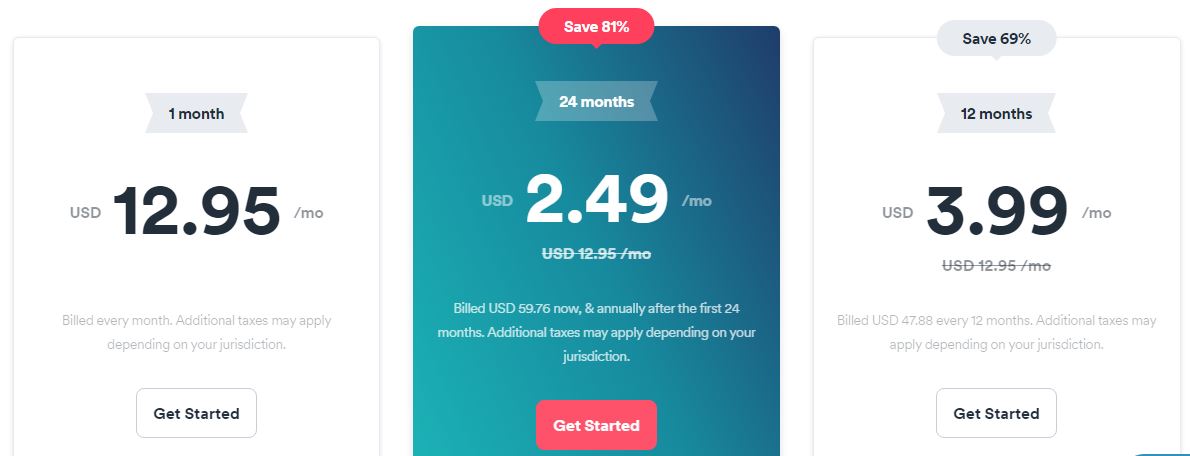
Pricing: Starter (VPN-only) from $1.99/month (2-year). One (VPN + Antivirus + Alert + Search) from $2.49/month (2-year). One+ (full suite + Incogni) from $4.19/month (2-year). Monthly billing at $15.45/month.
Pros ✓
- Unlimited simultaneous device connections (only major VPN to offer this)
- $1.99/month is the lowest price among audited premium VPNs
- 7-day free trial on Android and iOS (no charge, cancel anytime)
- Deloitte-audited no-logs policy (2023 and 2025 audits)
- WireGuard + Dausos protocol: fastest and most modern options
- CleanWeb blocks ads, malware, trackers, and cookie pop-ups at VPN level
- NoBorders mode designed for China and censored regions
- 4.6/5 on Google Play (229K+ reviews); 4.7/5 on App Store (117K+ reviews)
Cons ✗
- Streaming score lower than ExpressVPN; struggles with some niche regional platforms
- 2-year plan renews at higher 1-year rate after expiry (watch auto-renewal)
- Antivirus not available on iOS (Windows, macOS, Android only)
App Store Rating: 4.7/5 (iOS) | 4.6/5 (Android) | Trustpilot: 4.3/5 (29K+ reviews)
2. ExpressVPN — Best for Speed & Server Coverage
ExpressVPN is the speed leader. Its proprietary Lightway protocol (open-sourced and audited) is optimized for mobile devices and delivers fast, stable connections even on cellular networks with variable signal strength. The 3,000+ servers across 160 locations in 94 countries give you more location choices than most competitors, with IPs available in places other providers don’t cover. ExpressVPN is also the most consistent performer for streaming: it reliably unblocks Netflix US, UK, JP, BBC iPlayer, Disney+, and Prime Video.
On Android, ExpressVPN supports all versions and includes auto-connect on any Wi-Fi network, a kill switch, AES-256-bit encryption, and access in 16+ languages. It’s the most polished mobile app in this list. Setup takes under two minutes, and the one-tap connect button genuinely works as advertised.
Key Mobile Features: Lightway protocol (fastest on mobile), auto-connect on Wi-Fi networks, kill switch, AES-256 encryption, split tunneling, 160+ server locations, 30-day money-back guarantee.
Pricing: $8.32/month (annual plan, billed $99.84/year). Monthly billing at $12.95/month. No 2-year plan — ExpressVPN only sells monthly and annual subscriptions. 30-day money-back guarantee on all plans.
Pros ✓
- Lightway protocol: fastest and most mobile-optimized proprietary protocol
- 160 server locations across 94 countries, the widest geographic coverage in this list
- Best streaming unblocking: consistent Netflix, iPlayer, Disney+ performance
- Auto-connect on any Wi-Fi network for set-it-and-forget-it protection
- Available in 16+ languages for strong international accessibility
- Independently audited (Cure53, KPMG, PwC)
Cons ✗
- Most expensive in this list: $8.32/month annual vs $1.99/month for Surfshark
- Only 8 simultaneous connections (vs unlimited on Surfshark)
- No 2-year plan option; annual is the best discount available
3. NordVPN — Best for Threat Protection on Mobile

NordVPN is the most feature-rich mobile VPN in this list for security. Its Threat Protection Lite feature (available on mobile) blocks malicious websites, phishing domains, and intrusive ads at the DNS level before they even load on your device. Combined with NordVPN’s NordWhisper obfuscated protocol (works in China and other restricted countries), Double VPN, and Onion over VPN, it offers the deepest security stack of any consumer VPN on mobile.
The Android app supports devices running Android 6.0 or later. Quick Connect instantly finds the nearest server. The kill switch blocks all internet traffic the moment the VPN drops, with no leaks. The APK version (sideloaded, available on NordVPN’s site) adds ad-blocking features that Google Play versions restrict due to app store policies.
Key Mobile Features: Threat Protection Lite (mobile DNS-level malware/ad blocking), Double VPN, Onion over VPN, NordWhisper obfuscation, Quick Connect, kill switch, Android 6.0+ support, WireGuard (NordLynx), P2P-optimized servers.
Pricing: Basic from $3.29/month (2-year plan). Plus (with Threat Protection full) from $4.29/month (2-year). Complete (with 1TB cloud storage) from $5.29/month (2-year). Monthly billing from $12.99/month. 30-day money-back guarantee.
Pros ✓
- Threat Protection Lite on mobile: DNS-level ad and malware blocking
- Double VPN and Onion over VPN for maximum anonymity
- NordLynx (WireGuard-based), consistently fast in independent speed tests
- 6,000+ servers in 111 countries, among the largest networks
- Intuitive app design: easy for beginners, powerful for advanced users
- 10 simultaneous connections on all plans
Cons ✗
- Full Threat Protection (not Lite) is desktop-only, not available on mobile
- Pricing more expensive than Surfshark for equivalent security level
- Android 6.0+ requirement excludes older budget devices
App Store Rating: 4.6/5 (iOS) | 4.4/5 (Android)
4. CyberGhost — Best Free Trial for Mobile Users
CyberGhost gives mobile users the most generous trial in this list: a 7-day free trial on Android and iOS with full feature access, no credit card required for the in-app trial. That alone makes it worth downloading before you spend anything. Its 45-day money-back guarantee (the longest in this roundup) also beats the standard 30 days offered by Surfshark, ExpressVPN, and NordVPN.
The platform runs 7,800+ servers in 91+ countries. Every time you connect to unsafe public Wi-Fi, CyberGhost sends a notification and prompts an automatic connection. Bandwidth is truly unlimited, with no throttling and no caps. DNS and IP leak protection are included on all plans. Setup on Android takes three steps: subscribe, download, connect.
Key Mobile Features: 7-day free trial (no credit card on app store trial), 45-day money-back guarantee, 7,800+ servers in 91+ countries, automatic public Wi-Fi protection notification, unlimited bandwidth, DNS/IP leak protection, one-click connect, compatible with Android 5 (Lollipop) and higher, 24/7 live chat support.
Pricing: From $2.29/month (2-year plan). Monthly billing at $12.99/month. 1-year plan at $4.29/month. 45-day money-back guarantee on annual and 2-year plans (14-day on monthly).
Pros ✓
- 7-day free trial on Android and iOS: best mobile trial in this list
- 45-day money-back guarantee, the longest refund window available
- 7,800+ servers in 91 countries, a massive network
- Automatic unsafe Wi-Fi detection and alert
- Unlimited bandwidth with zero throttling
- Compatible with Android 5+ and supports older devices
- 24/7 live chat support on all plans
Cons ✗
- Slower speeds than Surfshark, ExpressVPN, and NordVPN in independent tests
- Only 7 simultaneous connections (vs unlimited on Surfshark)
- Fewer advanced features than competitors at the same price tier
5. Private Internet Access (PIA) — Best Open-Source VPN for Android
PIA is the only fully open-source VPN in this list. Its apps on Android and iOS are publicly auditable on GitHub, which means independent researchers can verify that the code matches what PIA claims it does. This level of transparency is rare in a market where trust is everything. PIA supports up to 10 simultaneous connections and runs OpenVPN and WireGuard protocols, both battle-tested and trusted by the security community.
MACE (PIA’s built-in malware, ad, and tracker blocker) works at the DNS level across all apps on your mobile device, not just the browser. The bypass settings let specific apps or websites skip the VPN entirely. There’s 24/7 live expert support and a 30-day money-back guarantee. Starting at $2.03/month on a 2-year plan, PIA is competitive on price.
Key Mobile Features: 100% open-source Android and iOS apps, MACE (ad/malware/tracker DNS blocker), OpenVPN and WireGuard protocols, split tunneling (bypass settings), 10 simultaneous connections, 24/7 live support, no usage logs policy, unlimited bandwidth.
Pricing: From $2.03/month (3-year plan). 1-year plan at $3.33/month. Monthly billing at $11.99/month. 30-day money-back guarantee on all plans.
Pros ✓
- 100% open-source mobile apps with publicly verifiable code
- MACE blocks ads, malware, and trackers at DNS level on mobile
- OpenVPN and WireGuard support for flexible protocol choice
- 10 simultaneous connections
- No usage logs policy, strictly enforced
- Unlimited bandwidth with no throttling
Cons ✗
- US-based jurisdiction, subject to US legal requests (though no-logs is verified)
- App interface is less polished than Surfshark, NordVPN, or ExpressVPN
- 3-year plan required to hit the lowest price: a long commitment
6. ProtonVPN — Best for Privacy-First Mobile Users
ProtonVPN is built by the team behind ProtonMail, which means privacy is built into the product’s DNA rather than bolted on as a marketing claim. It’s headquartered in Switzerland, outside EU and US jurisdiction, and its no-logs policy has been independently verified. ProtonVPN is also the only VPN in this list with a genuinely free tier that doesn’t log data, show ads, or sell your information, though the free plan limits you to 3 server locations and slower speeds.
Secure Core is ProtonVPN’s standout feature: it routes traffic through multiple privacy-friendly countries (Iceland, Switzerland, Sweden) before reaching the exit server. If an exit server is compromised, your traffic is still protected by the inner layer. NetShield (paid plans) blocks ads and malware at the DNS level. The Android and iOS apps are open-source, formally audited, and support WireGuard, IKEv2, and ProtonVPN’s own Stealth protocol (obfuscated for restricted networks).
Key Mobile Features: Secure Core (multi-hop through privacy-friendly countries), NetShield (DNS ad/malware blocker), Stealth obfuscated protocol, open-source and audited apps, Swiss jurisdiction, free tier available, WireGuard and IKEv2 support, kill switch, split tunneling.
Pricing: Free plan available (3 locations, slower speeds). Paid from $4.99/month (annual plan). Monthly billing at $9.99/month. 30-day money-back guarantee on paid plans.
Pros ✓
- Swiss jurisdiction, the strongest privacy legal framework in this list
- Genuine free plan with no logs, no ads, no data selling
- Secure Core multi-hop protects against compromised exit servers
- Open-source, formally audited apps on Android and iOS
- NetShield DNS ad and malware blocking on paid plans
- Stealth protocol bypasses VPN detection in restricted countries
Cons ✗
- More expensive than Surfshark at the equivalent feature tier
- Free plan is restricted to 3 locations and lower speeds
- Secure Core adds latency; not ideal for gaming or low-latency use cases
7. IPVanish — Best for Unlimited Connections on a Budget
IPVanish is the value pick for households or teams that need to cover a large number of devices under one plan. Unlike most VPNs that cap connections at 6–10, IPVanish allows unlimited simultaneous connections on all plans, the same offering as Surfshark, but at a slightly lower 2-year rate for users who don’t need the full cybersecurity suite. It runs 2,000+ servers in 75+ locations and supports WireGuard, IKEv2, OpenVPN, and IPSec protocols.
The Android and iOS apps include a kill switch, split tunneling, auto-connect on Wi-Fi, and SOCKS5 proxy support (useful for P2P and torrenting). IPVanish is owned by Ziff Davis (CNET, PCMag parent company) and operates under US jurisdiction, worth noting for privacy-sensitive users. A 30-day money-back guarantee applies to annual plans.
Key Mobile Features: Unlimited simultaneous connections, WireGuard + IKEv2 + OpenVPN + IPSec, kill switch, split tunneling, SOCKS5 proxy, auto-connect, 2,000+ servers in 75+ locations, 24/7 support.
Pricing: From $2.19/month (2-year plan). 1-year plan at $2.99/month (promotional). Monthly billing at $10.99/month. 30-day money-back guarantee on annual plans.
Pros ✓
- Unlimited simultaneous connections to cover every device in your household
- WireGuard, IKEv2, OpenVPN, and IPSec all supported on mobile
- SOCKS5 proxy included, useful for P2P and torrenting
- Competitive 2-year pricing
- 24/7 live support
Cons ✗
- US-based (Ziff Davis owned), subject to US jurisdiction for legal requests
- Smaller server network than Surfshark, NordVPN, or ExpressVPN
- No free trial; money-back guarantee only
- No built-in ad or malware blocker on mobile
How to Choose the Best Mobile VPN App
Every VPN on this list encrypts your traffic. The differences that actually matter for mobile users come down to five factors.
Protocol Support: WireGuard Is the Mobile Standard
WireGuard is faster, lighter, and more battery-efficient than OpenVPN. All of that matters on a phone. Every VPN in this list supports WireGuard or a WireGuard-based protocol (NordVPN calls it NordLynx). IKEv2 is a solid fallback on iOS, where it’s natively supported by the operating system. If a VPN only offers OpenVPN on mobile, look elsewhere.
Simultaneous Connections: How Many Devices Do You Need to Cover?
Surfshark and IPVanish are the only VPNs in this list with truly unlimited simultaneous connections. NordVPN allows 10. ExpressVPN allows 8. CyberGhost allows 7. If you want to run the VPN on your phone, tablet, laptop, and smart TV simultaneously, the connection limit determines your options quickly.
No-Logs Policy: Independent Audits Are Non-Negotiable
Every VPN claims to keep no logs. The ones worth trusting have had that claim verified by an independent auditor. Surfshark (Deloitte, 2023 and 2025), NordVPN (Deloitte, PwC), ExpressVPN (KPMG, PwC, Cure53), and ProtonVPN (formally audited, open-source) are all independently verified. A no-logs claim without an audit is just a claim.
Jurisdiction: Where Is the VPN Based?
A VPN company’s legal jurisdiction determines what government can demand from them. Switzerland (ProtonVPN) and the Netherlands (Surfshark) offer the strongest privacy protections for users. US-based VPNs (PIA, IPVanish) operate under a Five Eyes jurisdiction, though if the no-logs policy is verified, there’s no data to hand over regardless.
Streaming and Obfuscation: Do You Need to Bypass Restrictions?
For streaming, ExpressVPN is the most consistent unblocking tool. Surfshark and NordVPN also perform well. For bypassing censorship in countries like China or Iran, look specifically for obfuscation modes: Surfshark’s NoBorders, ExpressVPN’s Lightway, NordVPN’s NordWhisper, and ProtonVPN’s Stealth are all designed for this use case.
Bottom line: For most mobile users, Surfshark is the best starting point. It’s the cheapest audited premium VPN with unlimited connections and a 7-day free trial on Android and iOS. If streaming is your priority, try ExpressVPN. If privacy is everything, go with ProtonVPN. If you’re budget-sensitive and need lots of devices covered, IPVanish and CyberGhost are both solid choices under $3/month on 2-year plans. For a different type of mobile privacy tool, also see our guide to the best mobile proxies, which covers rotating IP solutions for developers and data professionals.
Best Mobile VPN Pricing: Side-by-Side Comparison
The table below compares all seven mobile VPN apps on pricing, connections, trial terms, and key features. All prices reflect the best long-term plan (2-year or 3-year where available). If price is your top concern, Surfshark ($1.99/month) and PIA ($2.03/month) are the cheapest mobile VPN options in this list that still carry independent audits.
| VPN App | Best Price/mo | Connections | Trial / Guarantee | Protocols | Jurisdiction |
|---|---|---|---|---|---|
| Surfshark | $1.99 (2-year) | Unlimited | 7-day free trial + 30-day MBG | WireGuard, IKEv2, OpenVPN, Dausos | Netherlands (EU) |
| ExpressVPN | $8.32 (annual) | 8 | 30-day MBG | Lightway, WireGuard, IKEv2, OpenVPN | British Virgin Islands |
| NordVPN | $3.29 (2-year) | 10 | 30-day MBG | NordLynx (WireGuard), IKEv2, OpenVPN | Panama |
| CyberGhost | $2.29 (2-year) | 7 | 7-day free trial + 45-day MBG | WireGuard, IKEv2, OpenVPN | Romania (EU) |
| PIA | $2.03 (3-year) | 10 | 30-day MBG | WireGuard, OpenVPN, IKEv2 | United States |
| ProtonVPN | $4.99 (annual) / Free | 10 (paid) / 1 (free) | Free plan available + 30-day MBG | WireGuard, IKEv2, OpenVPN, Stealth | Switzerland |
| IPVanish | $2.19 (2-year) | Unlimited | 30-day MBG (annual only) | WireGuard, IKEv2, OpenVPN, IPSec | United States |
Pricing note: VPN providers frequently run promotional discounts on 2-year and 3-year plans. The prices listed above reflect standard advertised rates as of May 2026. Surfshark’s $1.99/month plan renews at the 1-year rate after the initial term — check the auto-renewal terms before subscribing. Monthly billing is significantly more expensive across all providers; commit to an annual or 2-year plan if you intend to use a VPN long-term.
Mobile VPN Pros & Cons: What to Expect
Mobile VPNs solve real privacy and access problems, but they also come with trade-offs worth understanding before you subscribe.
Pros ✓
- Public Wi-Fi protection: AES-256 encryption makes your traffic unreadable on any network, whether that’s a coffee shop, airport, hotel, or anywhere else
- IP masking and privacy: Apps, websites, and advertisers see the VPN server’s IP, not yours, making it harder to track your online behavior
- Streaming access: Access Netflix US, BBC iPlayer, Disney+, and other geo-restricted content from anywhere
- Bypass censorship: VPNs with obfuscation (Surfshark NoBorders, ProtonVPN Stealth, NordVPN NordWhisper) work in restricted countries like China and Iran
- Ad and malware blocking: Network-level blocking works across all apps on your phone, not just the browser
- Kill switch protection: If the VPN connection drops, the kill switch cuts internet access immediately so your real IP is never exposed
- One subscription, all devices: Most providers cover 6–10 devices; Surfshark and IPVanish cover unlimited
Cons ✗
- Speed overhead: Encryption adds latency. On fast home Wi-Fi the impact is minimal; on slow cellular it’s noticeable
- Battery drain: VPN apps run continuously in the background. Expect slight additional battery usage, especially with always-on encryption
- Not anonymous: A VPN hides your IP, but you’re still identifiable if you’re logged into Google, Facebook, or other accounts
- Streaming blocks are inconsistent: Streaming platforms update their VPN detection regularly. What worked last month may not work today
- Cost: Premium VPNs cost $2–8/month. Free alternatives typically compromise on privacy, speed, or data limits
Bottom Line: For most mobile users, the benefits (especially on public Wi-Fi and for streaming) outweigh the minor speed and battery trade-offs. The key is choosing an independently audited VPN with a verified no-logs policy, not the cheapest or most-downloaded app on the store.
Mobile VPN Head-to-Head Comparisons
Two direct comparisons between the most popular choices to help you decide between the top alternatives.
Surfshark vs ExpressVPN — Value vs Speed
| Feature | Surfshark | ExpressVPN |
|---|---|---|
| Best price/month | $1.99 (2-year) | $8.32 (annual) |
| Simultaneous connections | Unlimited | 8 |
| Free trial on mobile | 7 days (Android & iOS) | 30-day MBG only |
| No-logs audit | Deloitte (2023, 2025) | KPMG, PwC, Cure53 |
| Protocol (mobile) | WireGuard, Dausos, IKEv2 | Lightway, IKEv2, OpenVPN |
| Ad/malware blocker | CleanWeb (all plans) | Threat Manager (paid add-on) |
| Server count | 4,500+ in 100+ countries | 3,000+ in 94 countries |
| Streaming score | Strong (some gaps) | Best in class |
| Jurisdiction | Netherlands (EU) | British Virgin Islands |
Winner for Value: Surfshark | Winner for Streaming: ExpressVPN | Winner for Connections: Surfshark
NordVPN vs CyberGhost — Security vs Trial Generosity
| Feature | NordVPN | CyberGhost |
|---|---|---|
| Best price/month | $3.29 (2-year) | $2.29 (2-year) |
| Simultaneous connections | 10 | 7 |
| Free trial on mobile | 30-day MBG | 7 days free + 45-day MBG |
| Server count | 6,000+ in 111 countries | 7,800+ in 91 countries |
| Threat / malware protection | Threat Protection Lite (mobile) | DNS/IP leak protection only |
| Obfuscation / censorship bypass | NordWhisper | Limited obfuscation |
| Protocol (mobile) | NordLynx (WireGuard), IKEv2 | WireGuard, IKEv2, OpenVPN |
| Jurisdiction | Panama | Romania (EU) |
Winner for Security Features: NordVPN | Winner for Trial: CyberGhost | Winner for Server Count: CyberGhost
🏆 Choose Surfshark When
- You want the lowest price among audited, premium VPNs
- You need to cover unlimited devices under one plan
- You want a no-risk 7-day free trial on Android or iOS
- You need obfuscation for China or other censored regions
- You want an antivirus and data breach monitor bundled in
🔍 Choose Competitors When
- Streaming reliability is your top priority — go with ExpressVPN
- You want maximum privacy jurisdiction — go with ProtonVPN
- You want the longest free trial — CyberGhost (7 days + 45-day MBG)
- You need fully auditable open-source mobile apps — PIA or ProtonVPN
- Security features like Double VPN matter most — NordVPN
VPN App Ratings Breakdown
We rated each mobile VPN app on six categories relevant to Android and iOS users. Scores reflect app store ratings, independent audit records, published speed benchmarks, streaming test results, and pricing competitiveness, all verified in May 2026.
| Category | Score | Notes |
|---|---|---|
| Mobile App Quality | 4.7/5 | Surfshark (4.6 Android / 4.7 iOS), NordVPN (4.6/4.4), ExpressVPN top-rated for UX |
| Speed & Performance | 4.5/5 | Surfshark 1,021 Mbps (WireGuard local, TechRadar April 2026); ExpressVPN Lightway fastest on cellular |
| Privacy & Security | 4.6/5 | Deloitte-audited no-logs (Surfshark, NordVPN); PwC/KPMG (ExpressVPN); open-source (ProtonVPN, PIA) |
| Streaming Unblocking | 4.3/5 | ExpressVPN most consistent; Surfshark and NordVPN strong; CyberGhost/PIA variable |
| Pricing & Value | 4.6/5 | Surfshark ($1.99/mo), CyberGhost ($2.29/mo), and PIA ($2.03/mo) best value; ExpressVPN most expensive |
| Ease of Use | 4.5/5 | All apps are one-tap connect; CyberGhost has 3-step setup; NordVPN intuitive for beginners |
| Overall Rating | 4.5/5 | Surfshark leads overall; ExpressVPN leads on speed/streaming; ProtonVPN leads on privacy credentials |
Rating Summary: Surfshark leads overall for the combination of price, features, unlimited connections, and independently audited privacy. ExpressVPN leads for raw speed and streaming reliability but at a significantly higher cost. ProtonVPN is the top pick for users who prioritize a privacy-first jurisdiction and open-source transparency. CyberGhost wins for trial generosity. None of these apps scored below 4.0 on any individual category. The quality gap between the top seven and the rest of the market is significant.
Are Mobile VPN Apps Legit, Safe & Worth It?
Legitimacy & Safety
- ✓ Using a VPN is legal in most countries: VPNs are legitimate privacy tools used by businesses, remote workers, journalists, and everyday users worldwide. They are legal in the US, UK, EU, Canada, and Australia. Some countries (China, Russia, Iran) restrict or regulate VPN use; research your local laws if you’re in a restricted region.
- ✓ Independent audits separate trustworthy VPNs from pretenders: Surfshark (Deloitte), NordVPN (Deloitte, PwC), and ExpressVPN (KPMG, PwC, Cure53) have all had their no-logs claims verified by Big Four or major security firms rather than simply self-reporting.
- ✓ Open-source apps can be independently verified: ProtonVPN and PIA publish their mobile app source code publicly on GitHub. Anyone can inspect the code. This is the highest level of transparency a VPN can offer.
- ✓ Reputable providers have long operating histories: ExpressVPN (2009), NordVPN (2012), PIA (2010), ProtonVPN (2017), and Surfshark (2018) all have multi-year track records with millions of active subscribers and no confirmed data breach incidents.
- ✓ App store ratings reflect real user experience: Surfshark’s 4.6 on Google Play (229K+ reviews) and 4.7 on the App Store (117K+ reviews) represent genuine user satisfaction at scale, not manufactured scores.
Long-Term Reliability
All seven VPNs in this list have been operating for at least six years. NordVPN and ExpressVPN have weathered ownership changes and regulatory scrutiny while maintaining their privacy reputations. Surfshark merged with Nord Security in 2022 but continues to operate independently, with separate infrastructure, separate audits, and separate teams. ProtonVPN is backed by the Proton Foundation, a nonprofit, insulating it from the commercial pressures that lead other VPNs to cut corners on privacy.
Reality check: No VPN makes you completely anonymous. A VPN hides your traffic from your ISP and your IP from websites. If you’re logged into a Google or Facebook account, though, those companies still know who you are. VPNs also don’t protect against phishing, social engineering, or malware that you’ve already installed. Think of a VPN as one layer of your privacy stack, not the whole stack.
Worth It? Final Verdict
YES — Get a Mobile VPN If:
- You regularly use public Wi-Fi (cafes, airports, hotels)
- You want to access streaming content from other countries
- You travel to countries with internet censorship
- You want to stop your ISP or mobile carrier from monitoring your browsing
- You access sensitive work systems from your phone
- You want network-level ad and tracker blocking on all apps
NO — Skip It If:
- You only use your phone on your home network (lower priority)
- Your main concern is account security (use 2FA instead)
- You’re looking for a free VPN that’s genuinely private: they don’t exist
- You’re on a very tight budget and can accept the risk of unencrypted connections
Our Recommendation: Start with Surfshark’s 7-day free trial on Android or iOS. It costs nothing to test, covers unlimited devices, and gives you the full feature set including WireGuard, CleanWeb ad blocking, and NoBorders mode. If it doesn’t meet your needs, the 30-day money-back guarantee means you can walk away without losing anything. If streaming is your specific priority, ExpressVPN’s 30-day guarantee is equally risk-free. Either way, don’t waste time on free VPN apps. Their business model depends on monetizing your data.
Best Mobile VPN FAQs
What is the best mobile VPN app in 2026?
Surfshark is the best mobile VPN app for most users in 2026. It offers unlimited simultaneous connections, a Deloitte-audited no-logs policy, WireGuard protocol, CleanWeb ad blocking, and a 7-day free trial on Android and iOS, all starting at $1.99/month on a 2-year plan. For speed and streaming specifically, ExpressVPN is the top performer. For privacy credentials, ProtonVPN (Swiss jurisdiction, open-source, audited) is the strongest option.
What is the best VPN for Android in 2026?
Surfshark is the best VPN for Android in 2026. It holds a 4.6/5 on Google Play (229K+ reviews) and is the top-rated premium VPN on Android. NordVPN and ExpressVPN also perform well on Android. For Android specifically, Surfshark adds GPS Override, a feature that matches your device’s GPS location to the VPN server and makes geo-spoofing more complete. PIA (Private Internet Access) is the best choice if open-source, auditable Android code matters to you.
What is the best VPN for iPhone in 2026?
Surfshark is the best VPN for iPhone in 2026, rated 4.7/5 on the App Store (117K+ reviews). ExpressVPN is the top alternative for streaming performance. Both support IKEv2, a protocol natively integrated with iOS that provides stable connections when switching between Wi-Fi and cellular. ProtonVPN is the best choice for iPhone users who want maximum privacy and a Swiss jurisdiction. All three offer 30-day money-back guarantees.
Are free mobile VPN apps safe to use?
Most free VPN apps are not safe. Many free VPN apps — as documented by independent security researchers and app store audits — collect and sell user data, contain malware, or log traffic to monetize it. A well-known 2020 CSIRO study of 283 Android VPN apps found that 38% contained malware. The only free VPN in this list that is genuinely private is ProtonVPN’s free plan, which has no data logging, no ads, and no bandwidth cap (though speed is limited and only 3 server locations are available). For anything beyond casual browsing, a paid VPN starting at $1.99/month is worth the cost.
Does a mobile VPN slow down my internet speed?
Yes, slightly. VPN encryption adds processing overhead and the extra routing hop adds latency. On fast Wi-Fi (100+ Mbps), the impact is minimal and often imperceptible. Surfshark on WireGuard measured 1,021 Mbps in TechRadar’s April 2026 lab test, faster than most home internet connections. On slower cellular connections (4G/LTE), you may notice a 10–20% speed reduction. WireGuard is the most mobile-optimized protocol and minimizes this impact better than OpenVPN or IKEv2.
Can I use a mobile VPN to watch Netflix from another country?
Yes, with the right VPN. ExpressVPN is the most consistent Netflix unblocking tool. Surfshark and NordVPN also work reliably with Netflix US, UK, and several other libraries. Netflix actively updates its VPN detection, so no VPN guarantees 100% consistent access. Premium VPNs update their server IP ranges regularly to stay ahead of blocks. Free VPNs almost never work with Netflix.
How do I set up a VPN on my Android phone?
Setup on Android takes under 3 minutes with any of the VPNs in this list:
- Subscribe to a plan on the provider’s website (or start a free trial in the app)
- Download the app from the Google Play Store (search the VPN name)
- Install the app and log in with your account credentials
- Tap “Connect” or select a server location; the app handles all protocol configuration automatically
Surfshark also offers a 7-day free trial directly in the Android app without requiring payment details upfront. If you need IP rotation rather than a traditional VPN on Android, check our guide to Android proxies for an alternative approach.
How do I set up a VPN on my iPhone?
The process on iOS is identical to Android: download from the App Store, log in, and tap connect. iOS also supports manual VPN configuration via Settings > VPN for IKEv2 or WireGuard protocols, but the native apps are far easier. CyberGhost and Surfshark both offer 7-day free trials directly in the iOS App Store.
Will a VPN work in China on my mobile phone?
Some VPNs work in China; many don’t. The Great Firewall actively blocks VPN traffic, so only VPNs with obfuscated protocols bypass detection. Surfshark’s NoBorders mode, ExpressVPN’s Lightway obfuscated, NordVPN’s NordWhisper, and ProtonVPN’s Stealth protocol are designed specifically to work in China and similarly restricted networks. Standard WireGuard or OpenVPN connections without obfuscation will be detected and blocked. Download your VPN before entering China; the app stores in China don’t list most VPNs.
Does a VPN protect me on public Wi-Fi?
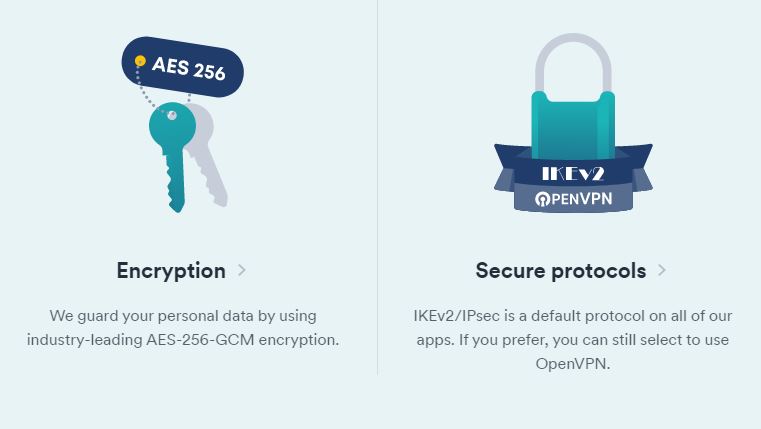
Yes — this is one of the most important use cases for a mobile VPN. On an unencrypted public Wi-Fi network (which most airport, cafe, and hotel networks are), anyone on the same network can potentially intercept your traffic using a packet sniffer. A VPN encrypts everything leaving your phone with AES-256, the same standard used by governments and banks. The attacker sees only encrypted gibberish, not your passwords, messages, or browsing content.
What is a VPN kill switch on mobile?
A kill switch is a feature that cuts your internet connection the moment your VPN connection drops. Without it, your device automatically falls back to your real IP address during the gap, exposing your location and identity for a few seconds. On Android, a system-level kill switch is available via Settings > Network > VPN (enable “Always-on VPN” and “Block connections without VPN”). Most VPN apps also include their own kill switch in the app settings. Surfshark, NordVPN, ExpressVPN, CyberGhost, PIA, ProtonVPN, and IPVanish all include kill switches in their mobile apps.
Can I cancel my mobile VPN subscription and get a refund?
Yes — all seven VPNs in this list offer money-back guarantees. CyberGhost has the most generous at 45 days (annual and 2-year plans). Surfshark, ExpressVPN, NordVPN, PIA, ProtonVPN, and IPVanish all offer 30-day money-back guarantees. To cancel, contact the provider’s support directly; most handle refunds via live chat within a few minutes. Surfshark and CyberGhost both offer 7-day free trials on Android and iOS where you never need to pay upfront at all.
Final Verdict
The best mobile VPN app for most Android and iOS users in 2026 is Surfshark. It’s the most affordable audited premium VPN on this list, offers unlimited device connections (a feature most competitors still cap), and has independently verified privacy credentials from Deloitte. The 7-day free trial on Android and iOS costs nothing and gives you the full feature set before you commit. If streaming is your primary use case, ExpressVPN’s Lightway protocol and consistent Netflix unblocking make it worth the premium. If maximum privacy and jurisdiction are your concern, ProtonVPN’s Swiss base and open-source apps are in a class of their own.
✓ Top Picks by Use Case
- Best Overall: Surfshark — unlimited devices, $1.99/month, Deloitte-audited no-logs
- Best for Speed & Streaming: ExpressVPN — Lightway protocol, 160 locations, most consistent unblocking
- Best for Security Features: NordVPN — Threat Protection Lite, Double VPN, NordWhisper
- Best Free Trial: CyberGhost — 7 days free + 45-day money-back
- Best Open-Source: PIA — fully auditable Android/iOS code, MACE blocker
- Best for Privacy: ProtonVPN — Swiss jurisdiction, Secure Core, open-source
- Best for Large Households: IPVanish — unlimited connections, budget 2-year price
✗ What Could Be Better
- Streaming unblocking is inconsistent across all providers; platforms keep updating their detection
- ExpressVPN’s $8.32/month is hard to justify vs Surfshark’s $1.99/month for most users
- Auto-renewal pricing on 2-year plans can surprise users; read the fine print
- No VPN offers complete anonymity: logged-in accounts still identify you
Ready to Protect Your Mobile Browsing?
Start with Surfshark’s 7-day free trial on Android or iOS: no payment needed upfront, unlimited devices, and full access to every feature.
Try Surfshark Free — Best Mobile VPN in 2026 →