
9 Best Shopify Proxies in 2026
The best Shopify proxies in 2026, ranked by residential pool depth, eCommerce success rates, and per-GB pricing — so your bots stay undetected on any store.
⚡ Quick Verdict
Running bots or scrapers on Shopify stores gets you banned fast — unless you have the right proxies. Shopify’s anti-bot infrastructure blocks datacenter IP ranges almost instantly. You need residential or ISP proxies that look like real shoppers. After testing nine providers on Shopify-specific use cases — sneaker copping, price monitoring, multi-account management, and store scraping — Bright Data leads on raw pool depth and enterprise reliability. Smartproxy (now Decodo) wins on speed and value. IPRoyal is the best budget pick with non-expiring PAYG traffic. Your choice comes down to whether you’re running a high-volume operation or just managing a few accounts at scale.
Bright Data — 400M+ IPs, 195 countries, enterprise-grade eCommerce tools
Smartproxy — from $3/GB (50 GB plan, $150/mo), 99.86% success rate, free 3-day trial
IPRoyal — from $1.75/GB residential, non-expiring PAYG traffic
Proxy-Seller — up to 1 Gbps, 99% uptime, 220+ locations
You set up a sneaker bot, point it at a Shopify-powered drop, and watch it get blocked before the sale even goes live. Your IP hits a rate limit, your account gets flagged, and someone running the best Shopify proxies walks away with the inventory. That’s the reality of running bots on Shopify stores without the right infrastructure behind them.
Shopify runs on its own anti-bot layer. It logs request patterns, fingerprints your browser headers, and compares your IP against known datacenter ranges. Cheap Shopify proxy servers built on datacenter ASNs fail almost immediately. The platform needs to see you as a real shopper coming from a residential IP — one that belongs to an actual ISP subscriber, not a cloud server farm.
The same applies if you’re scraping Shopify stores for price monitoring, competitor research, or inventory tracking. High-request volumes from a single IP trigger 429 errors and soft bans. Rotating residential proxies for Shopify are the standard solution — but not every proxy pool is deep enough, not every provider handles geo-targeting well, and pricing varies by an order of magnitude across the market.
This guide covers nine providers we’ve evaluated specifically for Shopify use cases: sneaker copping, multi-account management, price monitoring, and store scraping. All pricing figures are sourced directly from each provider’s knowledge file, scraped in May 2026.
What Are Shopify Proxies and How Do They Work?
A Shopify proxy is a proxy server that routes your bot or scraper traffic through a different IP address so Shopify’s servers see a legitimate-looking visitor rather than an automated request from your real IP. When you rotate across a pool of residential IPs, each request appears to come from a different home user in any country you target — exactly what Shopify’s anti-bot layer expects from organic shoppers.
Three proxy types matter for Shopify, and each serves different needs:
- Residential Proxies — IPs assigned by ISPs to real household devices. These look identical to normal shoppers. Shopify’s system trusts them. Essential for sneaker bots, limited drops, and any work where getting blocked is not an option. More expensive but far more reliable on Shopify-powered stores.
- ISP / Static Residential Proxies — Fixed IPs sourced directly from ISPs. They look residential (real ISP assignment) but stay stable across sessions. Ideal for account management, long sessions on Shopify stores, and tasks where you need the same IP every time.
- Datacenter Proxies — Server IPs hosted in data centers. Fast and cheap, but Shopify and its CDN partner Cloudflare maintain blocklists of known datacenter IP ranges. Use only for less-protected Shopify stores or as a secondary layer with residential rotation. See our full datacenter proxy guide for a deeper look at when they make sense.
Why Shopify Specifically Needs Residential Proxies
Shopify powers over 4.6 million stores globally and handles billions in transactions. To protect merchants and customers from scalpers and scrapers, Shopify employs Cloudflare bot management, challenge pages, and behavioral fingerprinting. Residential proxies pass these checks because they carry real ISP metadata, genuine geolocation data, and no history of bot activity. Datacenter IPs from AWS, GCP, or Hetzner are detected almost instantly. ISP proxies represent a middle ground — they look residential but are server-side — and they work well when you need persistent sessions.
Who Needs Shopify Proxies?
✓ Ideal Users for Shopify Proxies
- Sneaker Botters — Limited-edition drops on Shopify stores (Supreme, Palace, SNKRS, local boutiques) sell out in seconds. Sneaker bots running through residential proxies mimic multiple real buyers simultaneously, giving you multiple checkout attempts. Without rotating residential IPs, your bot gets rate-limited after the first request. If you also target Footlocker or Footsites drops, see our guide to the best proxies for Footsites.
- eCommerce Price Monitors — Tracking competitor pricing across hundreds of Shopify stores requires rotating your IPs constantly. A residential proxy pool lets you scrape product pages, pricing updates, and stock levels without hitting rate limits or triggering 429 errors.
- Multi-Account Managers — Running multiple Shopify store accounts or managing multiple buyer accounts for a resale operation requires each account to appear from a different residential IP. ISP proxies with sticky sessions are the right tool here. Pair them with one of the best antidetect browsers for full account isolation.
- Market Researchers and Brand Managers — Agencies tracking how products appear in specific geographic markets, monitoring MAP compliance, or collecting store data for trend analysis all benefit from geo-targeted residential proxies that show them the same storefront local buyers see.
- Dropshippers and Inventory Trackers — Automated inventory monitoring on supplier Shopify stores — watching for restock alerts, price changes, and new SKUs — requires persistent scraping that only works with rotating residential or ISP proxies.
✗ Not Ideal For
Shopify proxies are NOT the right tool if you:
- Want to conduct fraudulent purchases or engage in payment fraud — this is illegal regardless of proxy use
- Need to access Shopify’s admin dashboard for another merchant’s store without authorization
- Are using free proxy lists — they get detected and banned within minutes on Shopify stores
- Expect datacenter proxies alone to work reliably on well-protected Shopify stores running Cloudflare protection
- Need to scale past the terms of service of the proxy provider (many prohibit certain bot activities)
9 Best Shopify Proxy Providers — Tested & Ranked in 2026
Here are our top picks for the best Shopify proxies of 2026, evaluated on pool depth, residential IP quality, geo-targeting, pricing, and eCommerce-specific performance. Whether you need Shopify scraping proxies for price monitoring or residential IPs for sneaker drops, each section covers what matters most for your use case specifically.
1. Bright Data

Bright Data is the largest residential proxy network in the industry — 400M+ monthly IPs across 195 countries — and it’s the benchmark choice for serious Shopify work. Read our full Bright Data review for an in-depth breakdown. Whether you’re running a high-volume sneaker bot across multiple Shopify stores or building a price monitoring pipeline that covers thousands of SKUs daily, Bright Data’s infrastructure doesn’t crack under load. Its Amazon success rate of 96.75% (Proxyway tested) is a reliable indicator of performance on other major eCommerce platforms running similar bot protection layers, including Shopify’s Cloudflare stack.
Shopify Use Case: Residential proxies with 98.96% global success rate (Proxyway 2024 benchmark). City, state, ZIP, and ASN targeting all included. Dedicated residential pool option for per-domain exclusive use. 99.99% advertised uptime. Full product stack includes Web Unlocker API if you need automatic CAPTCHA handling built in.
Pricing: Residential PAYG at $8/GB. Subscription plans from $499/mo. Active promo code RESIGB50 gives 50% off for 3 months (residential, as of scrape date). First deposit matched up to $500 for new signups. 7-day free trial for verified company accounts.
Pros ✓
- 400M+ IP pool — deepest in the market by a wide margin
- 99%+ success rate on residential IPs (Proxyway independently tested)
- City, ZIP, and ASN targeting for granular geo coverage
- Dedicated pool option for exclusive per-domain use on Shopify
- Web Unlocker API handles CAPTCHAs automatically
- ISO 27001 certified; GDPR ready; ethically sourced IPs
- Proxyway Best Platform for Proxies 2024
Cons ✗
- Most expensive in this list — PAYG at $8/GB before discounts
- KYC verification required (up to 3 business days)
- Subscription starts at $499/mo minimum commitment
- Steeper learning curve than simpler providers
Proxyway Rating: 9.3/10 (4.7/5 stars) — Most Innovative Provider 2023, Best Platform for Proxies 2024.
2. Smartproxy

Smartproxy (now rebranded as Decodo since April 2025, though the Smartproxy name still works) is the fastest residential proxy network Proxyway has ever benchmarked — 99.86% residential success rate globally, with a 0.63s average response time. That combination of speed and reliability is exactly what you need for Shopify sneaker drops where the checkout window can be under 30 seconds. Its 115M+ IP pool across 195+ locations includes full city and ASN targeting, and the 3-day free trial lets you test Shopify-specific performance before committing.
Shopify Use Case: 115M+ residential IPs; 99.86% success rate; <0.6s response time. Unlimited concurrent threads — critical for multi-tab bot operations. Sticky sessions up to 24 hours for account management on Shopify stores. City-level and ASN targeting free on all plans.
Pricing: From $3.00/GB (50 GB plan, $150/mo). PAYG at $4/GB. 3-day free trial with 100 MB. 14-day money-back guarantee on first purchase (conditions apply).
Pros ✓
- Fastest residential proxies globally — Proxyway April 2025 benchmark
- 99.86% residential success rate — ideal for high-stakes drops
- Unlimited concurrent threads — no cap on parallel bot requests
- Best Value award from Proxyway 5 consecutive years (2020–2025)
- Free 3-day / 100 MB trial to test Shopify performance
- ISP proxies from $2.80/IP — great for sticky account sessions
Cons ✗
- PAYG and monthly subscription plans cannot run simultaneously
- Rebranded to Decodo — some users find this confusing
- City targeting outside US is country-level on some plan tiers
Proxyway Rating: 9.3/10 (4.7/5 stars) — Best Value Provider 5 consecutive years.
3. Oxylabs

Oxylabs earns its Best Enterprise Provider 2025 award from Proxyway on the back of a 175M+ residential IP pool (ranked #1 by pool size in Proxyway’s April 2025 benchmarks), a 99.90% global success rate, and targeting down to GPS coordinates. For Shopify use cases that require maximum reliability — brand protection monitoring, large-scale MAP compliance scraping, or enterprise sneaker botting operations — Oxylabs delivers what Bright Data does at a slightly lower entry price. Its E-Commerce Scraper API is particularly useful if you want Shopify product data delivered without managing proxies manually.
Shopify Use Case: 175M+ IPs, 195 countries. Proxyway confirmed 1,107,931 unique global IPs tested at 99.90% success rate. Amazon: 95.76% success; Instagram: 92.33% success — strong indicators for Shopify performance. E-Commerce Scraper API handles Shopify-style structured data extraction natively. 7-day free trial for companies.
Pricing: Residential from $30/mo (5 GB, $6/GB). Promo code proxyway35 gives 35% off first purchase. Datacenter shared from $12/mo (10 IPs). ISP from $16/mo (10 IPs, $1.60/IP). Mobile from $30/mo (4 GB, $7.50/GB).
Pros ✓
- 175M+ IPs — #1 pool size in Proxyway independent benchmarks
- 99.90% global residential success rate
- Coordinate-level geo-targeting — most precise in this list
- E-Commerce Scraper API for native Shopify data extraction
- Dedicated account manager for enterprise clients
- Proxyway Best Enterprise Provider 2025
Cons ✗
- Above-average pricing — $6/GB to start
- No PAYG option — subscription required
- KYC verification required before using services
Proxyway Rating: 9.3/10 (4.6/5 stars) — Best Enterprise Provider 2025.
4. IPRoyal

IPRoyal is the best budget pick in this list for Shopify proxies. Its residential pool grew from 2M to 32M IPs between 2023 and 2025, and its Proxyway-tested success rate of 99.56% globally competes with much more expensive providers. The key advantage for occasional Shopify use: PAYG traffic never expires. You pay $7.35/GB (or down to $1.75/GB at high volumes) and those gigabytes stay in your account until you use them. No monthly commitment, no subscriptions for sporadic drop hunting. See our IPRoyal proxies review for a full feature breakdown.
Shopify Use Case: 32M+ residential IPs across 195+ countries; 99.56% global success rate (Proxyway April 2025). ~1.06s average response time — adequate for most Shopify scraping. 500K+ ISP IPs for sticky sessions. Mobile proxies (4.5M+ IPs) for mobile-first Shopify experiences. Supports HTTP, HTTPS, and SOCKS5.
Pricing: Residential PAYG: $7.35/GB (1 GB), down to $5.15/GB (50 GB). Subscription: $7.00/GB (1 GB) down to $4.90/GB (50 GB). Traffic never expires on PAYG. ISP proxies from $1.80/IP/month. No free trial for residential.
Pros ✓
- PAYG traffic never expires — ideal for occasional drops
- 99.56% residential success rate — Proxyway independently tested
- 32M+ residential IPs, grown 16x since 2023
- 100% ethically sourced via Pawns.app opt-in network
- HTTPS and SOCKS5 protocol support
- 500K+ ISP proxies for sticky Shopify account sessions
- 650+ integrations — works with most sneaker bots out of the box
Cons ✗
- Pool smaller than Bright Data or Oxylabs — thin on high-demand drop days
- No free trial for residential proxies
- Response time (~1.06s) slower than Smartproxy (<0.6s)
Proxyway Rating: 8.5/10 (4.3/5 stars).
5. NetNut

NetNut is the only provider in this list built on a direct ISP backbone (DiViNetworks), meaning its static residential IPs bypass end-user devices entirely and connect one hop from the ISP. These IPs carry real browsing history, come from genuine ISP assignments, and perform reliably on platforms that block cloud hosting ranges. For Shopify account management — where you need the same IP across multiple sessions without rotation — NetNut’s 1M+ static ISP pool is a strong choice. Its NASDAQ-listed parent company (Alarum Technologies: ALAR) also means financial transparency that matters in enterprise procurement. Read our NetNut proxies review for more detail.
Shopify Use Case: 85M+ residential IPs across 195+ countries. 1M+ static ISP IPs via DiViNetworks backbone. 99% residential success rate; Proxyway April 2025 benchmark confirmed 1,011,844 unique global IPs at 95.04% residential purity. Residential response time 0.68–1.49s by gateway.
Pricing: Residential from $99/mo (28 GB, $3.53/GB). ISP from $99/mo (7 GB). Datacenter from $100/mo (100 GB, $1/GB). 7-day free trial for verified business customers. Annual billing saves ~15%.
Pros ✓
- DiViNetworks ISP backbone — 1M+ always-online static IPs
- Direct one-hop ISP connectivity — no end-user device in the routing chain
- Public company (NASDAQ: ALAR) — financial transparency and stability
- G2 #1 Web Data Provider — multiple badges and awards
- Proxyway 9.0/10 rating
- 500B+ monthly routed requests — proven at scale
Cons ✗
- No PAYG option — subscription only
- ISP entry price ($99/7 GB) is expensive per GB
- KYC required for free trial (business accounts only)
- No plan top-up — exhausted plans must be fully renewed
Proxyway Rating: 9.0/10 (4.5/5 stars).
6. Nimble
Nimble has repositioned itself from a proxy provider to an AI-powered web data platform, and that distinction matters for Shopify users. Rather than managing proxies yourself, Nimble’s Extract and Crawl APIs handle JavaScript rendering, CAPTCHA solving, and IP rotation automatically — you just send a URL and receive clean data. For Shopify price monitoring or product data collection at scale, this managed approach removes significant operational overhead. The 1M+ residential proxy network underpins the platform, and data accuracy is stated at >99%.
Shopify Use Case: 1M+ residential proxies underpinning Extract and Crawl APIs. >99% data accuracy. Onboarding time of 5 minutes. Latency per request: 1–2 ms. AI-powered JavaScript rendering handles modern Shopify storefronts. 5,000 free web pages on signup — enough to test a meaningful Shopify scrape before committing.
Pricing: Pay-as-you-go API model. Standard Driver Extract API: $0.90 per 1,000 URLs. Browser Driver (JavaScript-heavy pages): from $1.80 per 1,000 URLs. Web Search Agents: $3.00 per 1,000 pages. Free trial starts with 5,000 pages — no credit card required.
Pros ✓
- 5,000 free pages on signup — generous no-credit-card trial
- Managed proxy rotation built into API — no manual IP management
- >99% data accuracy with AI-powered extraction
- G2 rating: 4.9/5 from verified reviews
- SOC 2, GDPR, CCPA compliant
- Handles JavaScript-heavy Shopify storefronts automatically
Cons ✗
- 1M+ residential pool is small compared to enterprise providers
- Not suitable for raw proxy access (sneaker bots, ATC scripts)
- API-only model — no standard proxy endpoint for traditional bot tools
- Pricing per 1,000 URLs adds up fast at high volumes
G2 Rating: 4.9/5 (19 reviews). Best fit for scraping-focused Shopify use cases.
7. Proxy-Seller

Proxy-Seller earns its place in this list primarily for datacenter proxy quality. With channels up to 1 Gbps per proxy, 99% uptime, and coverage across 220+ countries, it’s the speed-first option when your Shopify target doesn’t run Cloudflare bot management or when you need high-throughput data collection from less-protected stores. Their residential proxies start at $0.70/GB, making them among the cheapest in this list — though pricing is slider-based so exact tiers need to be verified at purchase. A 24-hour return policy on new orders reduces risk.
Shopify Use Case: Residential proxies from $0.70/GB; 220+ country coverage. Dedicated channels up to 1 Gbps. IPv4 and IPv6 datacenter proxies. HTTP/HTTPS and SOCKS5 supported. System auto-alerts when per-proxy consumption runs low. SDK support in 5 programming languages. 99% uptime guarantee.
Pricing: Residential from ~$0.70/GB (SERP meta; verify live on slider). ISP proxies from $1/IP. Mobile (4G/5G/LTE) from $10/IP. IPv4 datacenter from ~$1.35–$1.80/IP. 24-hour return policy on new orders.
Pros ✓
- Residential from $0.70/GB — most affordable in this list at entry level
- Up to 1 Gbps dedicated channel speed per proxy
- 220+ country coverage — widest geo footprint here
- GDPR and ISO compliant
- 24-hour return policy — low-risk first order
- SDK support in 5 languages — easy integration
Cons ✗
- Pricing is JS-slider rendered — exact tiers require live verification
- No free trial for residential proxies
- Datacenter IPs may fail on Cloudflare-protected Shopify stores
- Less third-party benchmark data available vs top-tier providers
Trustpilot Rating: ~4.7/5. 10+ years in the proxy business.
8. Rayobyte

Rayobyte (formerly Blazing SEO, rebranded 2022) is a US-based EWDCI-certified proxy provider with a 40M+ residential IP pool. Proxyway’s April 2025 benchmark confirmed a 99.47% global residential success rate — solid performance. The trade-off is speed: Rayobyte residential proxies averaged 2.09s globally, the slowest in the Proxyway comparison. That makes them less ideal for time-critical sneaker drops but perfectly adequate for price monitoring, product scraping, and asynchronous data collection tasks where response time is less critical than success rate.
Shopify Use Case: 40M+ residential IPs; 99.47% success rate (Proxyway April 2025). Free country, state, and city targeting. Sticky sessions supported. Unlimited concurrent threads. 300,000+ datacenter IPs across 29+ global locations. ISP proxies in 6 countries (USA, UK, Canada, Germany, France, Italy). EWDCI certified — ethically sourced.
Pricing: Residential PAYG from $3.50/GB (1–49 GB), dropping to $0.70/GB at 1,000 GB+. Monthly subscription from $100/mo (15 GB). ISP proxies from $5.00/IP (static). Datacenter from $1.00/IP (static US). Free trial on residential (account signup). 2-day refund on datacenter/ISP orders of 5 IPs or fewer.
Pros ✓
- 99.47% residential success rate — Proxyway independently tested
- PAYG traffic never expires — from $3.50/GB
- 40M+ residential pool, 163+ locations
- EWDCI certified — ethically sourced IPs
- Own ASN datacenter IPs — 20,000+ unique C-class subnets
- Eden Reforestation partner — trees planted per purchase
Cons ✗
- Slowest residential response time tested (2.09s avg) — not ideal for fast drops
- Google scraping returned 0% in Proxyway tests
- ISP proxies limited to 6 countries
Proxyway Rating: 8.6/10 (4.3/5 stars). Best for price monitoring and scraping rather than time-sensitive bots.
9. Storm Proxies
Storm Proxies is a straightforward budget option with unlimited bandwidth and a thread-based pricing model — you pay per simultaneous connection, not per gigabyte. That structure suits users who run consistent, high-volume scraping jobs but don’t want to worry about tracking data usage. The 20M+ residential pool and 700,000+ rotating datacenter IPs are decent for basic Shopify scraping. The limitations are real: geo-targeting is restricted to USA and EU only, there’s no SOCKS5 support, and the smaller pool can cause IP reuse on heavy drops. But for US-focused Shopify store scraping on a tight budget, it works.
Shopify Use Case: 20M+ residential IPs (USA & EU targeting). Rotating datacenter pool of 700,000+ IPs, refreshed every 7 days. Unlimited bandwidth — no data caps. 3 rotation modes: per-request, every 3 minutes, or every 15 minutes. 24-hour money-back on smallest package. Protocol: HTTP/HTTPS only.
Pricing: Rotating datacenter from $14/mo (10 threads, unlimited bandwidth). Residential port from $19/mo (1 port). 24-hour refund on smallest plan of each type. All plans billed monthly only.
Pros ✓
- Unlimited bandwidth — no data tracking or billing surprises
- Thread-based pricing — predictable cost for consistent scraping jobs
- Rotating datacenter pool refreshed every 7 days
- Instant access after payment — no account activation wait
- Simple setup — good for beginners
Cons ✗
- USA and EU targeting only — no global Shopify coverage
- No SOCKS5 support — HTTP/HTTPS only
- Smaller residential pool (20M) vs top providers — IP reuse on high-demand drops
- No city-level targeting
Best For: Budget US/EU Shopify scraping with unlimited bandwidth and no per-GB billing.
How to Choose the Best Shopify Proxy for Your Use Case
Every provider in this list claims to work with Shopify. The question is whether the proxy type, pool depth, and feature set match your specific Shopify use case. Here are the five factors that actually separate a quality Shopify proxy from a generic global pool.
Residential vs ISP vs Datacenter — Pick the Right Type
Shopify stores running Cloudflare bot management block known datacenter IP ranges almost instantly. For sneaker drops, limited releases, and any store with active bot protection: residential proxies only. For account management requiring a consistent IP across multiple sessions: ISP (static residential) proxies. For scraping less-protected Shopify stores at high speed: datacenter proxies are acceptable and significantly cheaper.
Pool Depth on Drop Days
During a major sneaker drop or product launch, thousands of bots hit the same Shopify store simultaneously. Providers with thin pools exhaust their unique IPs quickly, causing the same IP to appear multiple times — which triggers Shopify’s rate limiting. Bright Data (400M+), Smartproxy (115M+), and Oxylabs (175M+) have pools deep enough that IP reuse is statistically unlikely even at massive scale. Smaller providers work for routine scraping but can struggle on competitive drop days.
Rotation Model: Sticky vs Rotating Proxies for Shopify
Sneaker bots running add-to-cart workflows need sticky sessions — the same IP must persist through multiple requests (product page, cart, checkout) to avoid being flagged for session hopping. Look for providers that offer sticky sessions of at least 10–30 minutes. Smartproxy offers sticky sessions up to 24 hours. For Shopify scraping proxies used in price monitoring, rotating sessions (new IP per request) are fine and actually preferable to avoid pattern detection.
Concurrent Threads
Every sneaker bot runs multiple simultaneous tasks. If your proxy plan caps concurrent connections at 50 threads but your bot needs 200, you’re leaving performance on the table. Smartproxy and Bright Data offer unlimited concurrent threads on all residential plans. Check thread limits before buying — some budget providers cap at 10–50 concurrent connections.
Pricing Model: Per-GB vs Per-IP vs Per-Thread
Per-GB suits scraping — you pay for data transferred. Per-IP (ISP proxies) suits account management — you pay for a stable identity. Per-thread (Storm Proxies) suits unlimited-bandwidth workflows. IPRoyal’s non-expiring PAYG is the right model for occasional drop hunters who don’t want a monthly subscription sitting idle between releases.
Bottom line: For sneaker bots and competitive drops, Smartproxy’s speed (99.86% success, <0.6s) and unlimited threads are hard to beat. For enterprise-scale price monitoring, Bright Data or Oxylabs. For occasional use without a monthly commitment, IPRoyal’s non-expiring PAYG. For static account management, NetNut’s ISP backbone.
Shopify Proxy Server Pricing: Side-by-Side Comparison
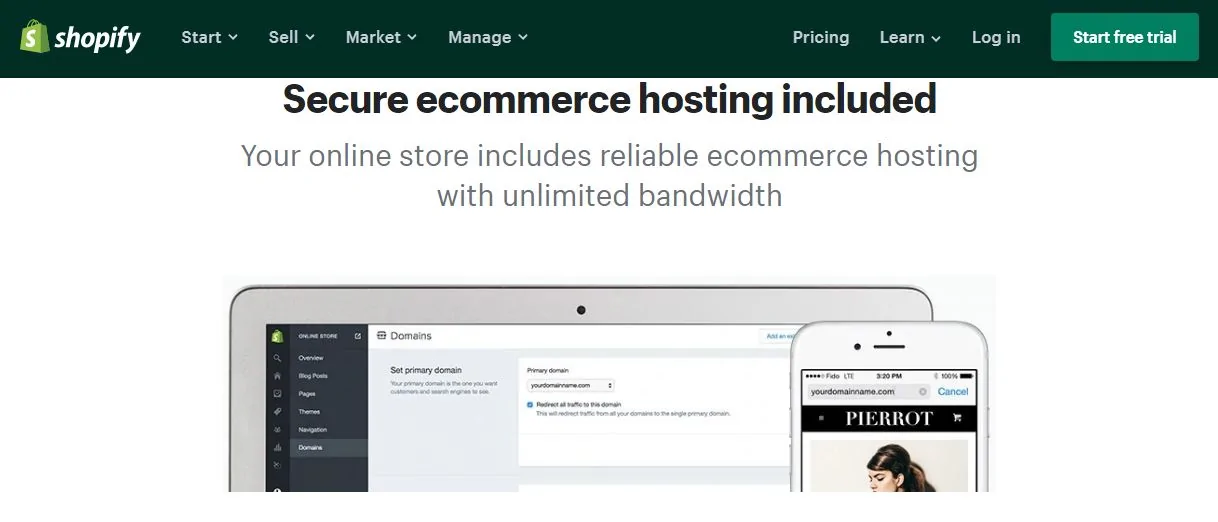
The table below compares all nine providers on key metrics for Shopify proxy selection. Prices reflect the entry-level residential proxy plan where available. All data sourced from provider knowledge files (scraped May 2026). If budget is your primary concern, also see our roundup of cheap residential proxies for additional options.
| Provider | Best For | Residential Pool | Entry Price | Success Rate | Free Trial |
|---|---|---|---|---|---|
| Bright Data | Enterprise / heavy volume | 400M+ IPs | $8/GB PAYG (50% off w/ RESIGB50) | 98.96% (tested) | 7-day (companies) |
| Smartproxy | Speed / sneaker drops | 115M+ IPs | $3.75/GB (3 GB plan) | 99.86% (tested) | 3 days, 100 MB free |
| Oxylabs | Enterprise scraping | 175M+ IPs | $6/GB ($30/mo, 5 GB) | 99.90% (tested) | 7-day (companies) |
| IPRoyal | Budget / occasional use | 32M+ IPs | $7.35/GB PAYG (non-expiring) | 99.56% (tested) | None (24h refund) |
| NetNut | Static sessions / ISP | 85M+ res; 1M+ ISP | $3.53/GB ($99/mo, 28 GB) | 96–99% (tested) | 7-day (businesses) |
| Nimble | Managed scraping API | 1M+ proxies | $0.90/1,000 URLs (Extract API) | >99% data accuracy | 5,000 pages free |
| Proxy-Seller | Speed / datacenter | Undisclosed | ~$0.70/GB (high vol.) / ~$3.50/GB entry | 99% uptime (stated) | 24h return policy |
| Rayobyte | Price monitoring | 40M+ IPs | $3.50/GB PAYG (non-expiring) | 99.47% (tested) | Free trial on signup |
| Storm Proxies | Budget US/EU scraping | 20M+ IPs (USA/EU) | $14/mo (10 threads, unlimited BW) | ~70–100% varies | 24h refund (smallest plan) |
Pricing note: Most per-GB rates drop significantly at scale. Bright Data’s $8/GB PAYG becomes $2.50/GB at the $1,999/mo Business plan. IPRoyal’s $7.35/GB PAYG drops to under $1.75/GB at high volumes. Always check the provider’s live pricing slider before budgeting a high-volume Shopify operation. Promo codes (RESIGB50, proxyway35) are subject to expiry — verify before purchasing.
Proxies for Shopify: Pros & Cons of Using Them
Shopify proxies solve real problems for botters, scrapers, and multi-account managers — but they come with real trade-offs. Here’s an honest look at what you gain and what you give up.
Pros ✓
- Bypass Shopify anti-bot protection: Residential proxies pass Cloudflare and Shopify’s bot management checks because they look exactly like organic shoppers from real household IPs
- Scale sneaker bots effectively: Multiple simultaneous checkout attempts from different residential IPs dramatically improve your odds on limited drops — each request appears to come from a different shopper
- Accurate price intelligence: Geo-targeted proxies show you the exact prices, promotions, and inventory a local customer sees — not the internationalized view you’d get from your own IP
- Safe multi-account management: Different residential IPs for each Shopify account prevents cross-account association and platform bans
- High success rates: Top providers achieve 99%+ success rates on residential IPs — dramatically better than datacenter proxies on Shopify targets
- Non-expiring PAYG: Providers like IPRoyal and Rayobyte offer traffic that never expires, ideal for irregular drop schedules
Cons ✗
- Cost: Quality residential proxies start at $3–8/GB — expensive at scale for high-volume scraping operations
- Shopify actively fights back: Anti-bot measures are updated frequently; what works today may be partially blocked next month
- Not all proxies are equal: Pool depth matters enormously on competitive drop days — thin pools cause IP reuse and flagging
- Speed vs success trade-off: The fastest providers (Smartproxy at <0.6s) cost more per GB than slower alternatives (Rayobyte at 2.09s)
- ToS compliance: Proxy providers’ own ToS may restrict certain bot activities — check usage policies before scaling up
Bottom Line: Shopify proxies are worth it for anyone running automation at scale. The risks — cost, occasional blocks, ToS compliance — are manageable with a quality provider. The alternative (free proxies or cheap datacenter IPs) produces worse results, gets banned faster, and exposes you to security risks that outweigh the savings.
How These Shopify Proxy Providers Compare
The nine providers in this list differ most sharply on four dimensions: pool depth, price per GB, Shopify-specific success rates, and whether they offer ISP proxies for sticky account sessions. These two tables put the top contenders head to head.
| Category | Bright Data | Smartproxy (Decodo) |
|---|---|---|
| Residential Pool Size | 400M+ monthly IPs | 115M+ IPs |
| Price/GB (entry) | $8/GB PAYG; $7/GB at $499/mo | $3.75/GB (3 GB plan); $3/GB at 50 GB ($150/mo) |
| Residential Success Rate | 98.96% (Proxyway tested) | 99.86% (Proxyway tested) |
| ISP Proxies | Yes — from $1.80/IP (shared) or $8/GB bandwidth | Yes — from $0.27/IP (shared) or $1.30/GB bandwidth |
| Free Trial | 7-day (verified companies only) | 3-day / 100 MB (all signups) |
| Scraping API | Web Unlocker API + 250+ pre-built scrapers | Web Scraping API + Site Unblocker (launched April 2025) |
| Best For | Enterprise volume, full compliance stack, dedicated pool option | Speed, value, SMB scraping, unlimited concurrent threads |
Winner for pool depth: Bright Data | Winner for speed: Smartproxy | Winner for price: Smartproxy | Winner for scraping APIs: Bright Data
| Category | Oxylabs | IPRoyal |
|---|---|---|
| Residential Pool Size | 175M+ IPs (#1 by pool size in Proxyway benchmarks) | 32M+ IPs |
| Price/GB (entry) | $6/GB ($30/mo, 5 GB plan) | $7.35/GB PAYG (never expires); $7/GB subscription |
| Residential Success Rate | 99.90% (Proxyway tested) | 99.56% (Proxyway tested) |
| ISP Proxies | Yes — from $1.60/IP (10 IPs, $16/mo) | Yes — from $1.80/proxy (24-hour commitment available) |
| Free Trial | 7-day (verified companies); 5 free datacenter IPs (no card) | No free trial; 24-hour refund on some products |
| Scraping API | E-Commerce Scraper API + Web Scraper API + SERP API | Web Unblocker (from $1/1,000 requests; launched Nov 2025) |
| Best For | Enterprise scraping, coordinate-level targeting, large-scale MAP compliance | Budget buyers, occasional drops, non-expiring PAYG, no monthly commitment |
Winner for pool depth: Oxylabs | Winner for success rate: Oxylabs | Winner for flexibility: IPRoyal | Winner for enterprise features: Oxylabs
🏆 Choose Bright Data When
- You need the deepest IP pool for competitive drop days — 400M+ monthly IPs means near-zero reuse risk
- Your operation requires full enterprise compliance: ISO 27001, GDPR, SOC, dedicated legal team
- You want a dedicated residential pool for per-domain exclusive IP use on Shopify
- You need Web Unlocker API to handle CAPTCHAs automatically on complex Shopify storefronts
- You’re running Fortune 500-level price monitoring that can justify the $499/mo minimum commitment
🔍 Choose Smartproxy or Others When
- Speed is the priority — Smartproxy’s 99.86% success rate at <0.6s response time beats Bright Data on latency
- Budget matters — Smartproxy’s $3/GB (50 GB plan) is 60% cheaper than Bright Data’s equivalent PAYG rate
- You want a no-KYC-delay 3-day trial to test Shopify performance before committing
- You run irregular drops and need non-expiring PAYG (IPRoyal) rather than a monthly subscription
- You need coordinate-level geo-targeting for hyper-local Shopify monitoring (Oxylabs)
Shopify Proxy Provider Ratings Breakdown
We rated each provider on criteria directly relevant to Shopify use cases. Scores draw on third-party benchmark data (Proxyway April 2025), pricing competitiveness, pool depth, and Shopify-specific features. Scores are between 3.5 and 4.9.
| Provider | Pool Depth | Speed | Pricing | Ease of Use | Shopify Fit | Overall |
|---|---|---|---|---|---|---|
| Bright Data | 4.9/5 | 4.7/5 | 3.5/5 | 3.8/5 | 4.8/5 | 4.6/5 |
| Smartproxy | 4.6/5 | 4.9/5 | 4.6/5 | 4.8/5 | 4.7/5 | 4.7/5 |
| Oxylabs | 4.8/5 | 4.8/5 | 3.5/5 | 4.0/5 | 4.6/5 | 4.5/5 |
| IPRoyal | 3.8/5 | 3.9/5 | 4.5/5 | 4.3/5 | 4.0/5 | 4.1/5 |
| NetNut | 4.3/5 | 4.2/5 | 3.8/5 | 4.0/5 | 4.2/5 | 4.1/5 |
| Nimble | 3.5/5 | 4.5/5 | 4.2/5 | 4.6/5 | 3.9/5 | 4.0/5 |
| Proxy-Seller | 3.6/5 | 4.6/5 | 4.7/5 | 4.1/5 | 3.8/5 | 4.0/5 |
| Rayobyte | 3.9/5 | 3.6/5 | 4.4/5 | 4.2/5 | 3.9/5 | 4.0/5 |
| Storm Proxies | 3.5/5 | 3.8/5 | 4.5/5 | 4.3/5 | 3.5/5 | 3.7/5 |
| Overall Leaders | Bright Data | Smartproxy | Proxy-Seller | Smartproxy | Bright Data | Smartproxy 4.7/5 |
Rating Summary: Smartproxy leads overall on the combination of speed, price, and ease of use — making it the best default choice for most Shopify use cases. Bright Data leads on pool depth and Shopify-specific fit, but its pricing pulls the overall score down. Oxylabs is the enterprise alternative when maximum pool depth matters. IPRoyal and Rayobyte serve budget users well with non-expiring PAYG traffic.
Are Shopify Scraping Proxies Legit, Safe & Worth It?
Legitimacy & Safety
- ✓ Legal to use commercially: Purchasing and using residential proxies from a reputable commercial provider is legal in most jurisdictions. The proxy is an intermediary — what you do with it determines legality. Price monitoring, competitive intelligence, and account management are standard business practices.
- ✓ Ethically sourced options available: Providers in this list (Bright Data, Smartproxy/Decodo, Oxylabs, Rayobyte) are EWDCI members or ISO-certified, meaning their residential IPs come from opt-in peer networks, not compromised devices or malware botnets.
- ✓ Enterprise-grade compliance: Bright Data (ISO 27001, GDPR, SOC), NetNut (NASDAQ-listed parent, patented DiViNetworks technology), and Oxylabs (EWDCI member, dedicated compliance team) meet enterprise procurement standards for regulated industries.
- ✓ Shopify terms awareness: Using proxies to automate purchases on Shopify stores may conflict with the ToS of individual merchants or the Shopify platform itself. Price monitoring and scraping public product data is generally accepted practice. Always check the target store’s terms before running high-volume automation.
Long-Term Reliability
All nine providers in this list have been operating for multiple years. Bright Data (founded 2014), Smartproxy/Decodo (founded 2018), and Oxylabs (2015) have a decade-long track record. Rayobyte (founded 2015 as Blazing SEO) and NetNut (founded 2017) are similarly established. Proxyway’s independent benchmarks — which test actual success rates on real targets, not just claimed specs — give you an objective measure of reliability that marketing pages cannot fake.
Reality check: Shopify’s anti-bot defenses are updated continuously. Proxy configurations that work on one drop may need adjustment on the next one. Budget for a small initial test run before scaling up spend on any provider. Run your actual bot workflow — add to cart, checkout — against a real target before the main event. Don’t rely on generic speed tests; Shopify’s challenge pages behave differently from a standard HTTP request.
Worth It? Final Verdict
✓ YES — Use Shopify Proxies If:
- You run sneaker bots, inventory monitors, or price trackers against Shopify stores at scale
- You operate multiple seller or buyer accounts and need session isolation
- You need residential IPs with sticky sessions to mimic real shopper behavior
- You want a 7-day trial (Bright Data) or free PAYG credits (IPRoyal) to test before committing
✗ NO — Skip If:
- You only need a single account for casual browsing — a free VPN or shared proxy is enough
- Your bot traffic is low enough that Shopify doesn’t challenge you
- You need datacenter speed over residential anonymity — Shopify’s detection is fingerprint-based, not just IP-based
Our Recommendation: Yes, Shopify proxies are worth it for anyone running automation seriously. Start with Smartproxy’s free 100 MB trial or IPRoyal’s non-expiring PAYG to test Shopify performance on your specific targets before committing to a plan. Run real bot workflows, not just IP checks. Don’t buy based on global pool size alone — test sticky session behavior, rotation speed, and actual checkout success rates. For enterprise operations with dedicated infrastructure needs, Bright Data’s 7-day company trial is the right entry point.
Best Shopify Proxies — FAQs Answered
What are Shopify proxies and why do you need them?
Shopify proxies are proxy servers that route your bot or scraper traffic through different IP addresses so Shopify’s servers see a legitimate visitor — rather than repeated requests from your real IP. The best Shopify proxies use residential IPs assigned by ISPs to real household devices, making them appear as ordinary shoppers to Shopify’s anti-bot layer. They are essential for sneaker botting, price monitoring, competitor scraping, and multi-account management on Shopify-powered stores.
Do I need residential proxies for Shopify, or will datacenter proxies work?
For any Shopify store using Cloudflare bot management — which is most major stores — you need residential proxies. Shopify and Cloudflare maintain blocklists of known datacenter IP ranges (AWS, GCP, Hetzner, Linode, etc.). Datacenter proxies get blocked almost immediately on protected stores. Residential proxies from real ISPs pass these checks because they look identical to organic shoppers. For less-protected Shopify stores without aggressive bot detection, datacenter proxies can work — but they’re the exception, not the rule.
Which is the best Shopify proxy provider overall?
For most users, Smartproxy is the best all-around Shopify proxy: fastest residential speeds globally (Proxyway 2025 benchmark), 99.86% success rate, unlimited concurrent threads, and from $3/GB — with a free 3-day/100 MB trial. For enterprise-scale operations requiring maximum pool depth and compliance, Bright Data’s 400M+ IP network is the standard. For occasional sneaker drops on a budget, IPRoyal’s non-expiring PAYG from $7.35/GB (dropping significantly at higher volumes) is the most flexible option.
How many proxies do I need for a Shopify sneaker drop?
This depends on your bot and the number of simultaneous tasks you’re running. A common rule of thumb: one residential proxy per bot task thread. If you’re running a bot with 50 simultaneous checkout attempts, you need 50+ proxies in rotation. Rotating residential proxies from Smartproxy or Bright Data handle this automatically — you get access to a pool of millions, and the provider rotates IPs per-request or per sticky session. What matters more than the number is pool depth: on high-demand drops, you want a provider with millions of IPs to avoid reuse.
Can Shopify detect proxy use?
Shopify’s bot management (powered by Cloudflare in many cases) can detect and block certain proxy types. Datacenter proxies are consistently flagged — their IP ranges are well-known and blocklisted. Residential proxies are much harder to detect because they share characteristics with real household internet connections. High-quality residential proxies from providers like Bright Data or Smartproxy maintain high success rates even on heavily-protected Shopify stores. That said, no proxy is 100% undetectable — behavioral patterns (request speed, header inconsistencies, too-perfect checkout flows) can still trigger challenges.
What is the difference between rotating and sticky proxies for Shopify?
Rotating proxies assign a new IP on every request — ideal for price scraping where you don’t need a persistent session. Sticky proxies maintain the same IP for a defined duration (e.g., 10 minutes to 24 hours) — essential for multi-step bot workflows like add-to-cart and checkout, where Shopify expects the same visitor IP across consecutive requests. Session hopping (different IPs on each step of a checkout) is a major red flag for Shopify’s bot detection. Use sticky sessions for any transactional Shopify workflow.
Are Shopify proxies legal?
Using commercial residential proxies is legal in most jurisdictions. The proxy itself is just a routing tool. What determines legality is what you do with it. Price monitoring, competitive intelligence, and inventory tracking on public Shopify storefronts are broadly accepted commercial practices. Automated purchasing at scale (bot scalping) may violate a merchant’s ToS, though legal status varies by jurisdiction. Fraud — using proxies to mask payment fraud or unauthorized account access — is illegal regardless of proxy use.
Can Shopify proxies help with managing multiple store accounts?
Yes. Running multiple Shopify buyer accounts (for resale operations) or multiple seller accounts requires each account to appear from a different residential IP. If multiple accounts share an IP, Shopify flags them as the same person and may suspend them. ISP proxies with sticky sessions — like those from NetNut (DiViNetworks backbone) or Smartproxy — give each account a persistent, unique residential IP that doesn’t change between sessions. Combine this with separate browser profiles or antidetect browsers for maximum account isolation.
How do I test Shopify proxy quality before buying at scale?
The best approach: use a provider’s trial and run your actual workflow against a real Shopify target. Don’t just test IP detection — run the full add-to-cart or product page scrape and measure: (1) Are challenges/CAPTCHAs appearing? (2) What’s the success rate? (3) How long do sticky sessions last before rotation? Smartproxy offers 100 MB free (3 days). Nimble gives 5,000 pages free. Rayobyte offers a free trial on signup. These are enough to validate Shopify compatibility before committing to a monthly plan.
Are there specific proxies for Shopify sneaker sites vs general Shopify stores?
Yes — sneaker-focused Shopify stores (Supreme, Palace, Off-White brand stores) often have additional bot protection layers beyond standard Shopify + Cloudflare. Some providers offer dedicated sneaker proxy plans. IPRoyal has explicit sneaker proxy products. Storm Proxies has a dedicated sneaker proxy pool. For the most demanding sneaker targets, ISP proxies (static residential) tend to perform better than standard rotating residential because they maintain consistent IP assignment across multiple drops rather than rotating to potentially flagged IPs.
What’s the cheapest way to get residential proxies for Shopify?
Proxy-Seller’s residential proxies start at ~$0.70/GB — the lowest entry price in this list. Rayobyte’s PAYG starts at $3.50/GB with traffic that never expires. IPRoyal’s PAYG starts at $7.35/GB (1 GB) but drops significantly at volume, and the non-expiring traffic suits occasional buyers. For unlimited-bandwidth scraping on a fixed budget, Storm Proxies’ $14/mo thread-based plan covers USA and EU Shopify stores with no data caps. Avoid free proxies — they’re detected immediately on Shopify. The best residential proxies for Shopify at budget pricing are Proxy-Seller, Rayobyte, and IPRoyal.
Can Shopify proxies help with price monitoring and competitor research?
Absolutely. Price monitoring across hundreds of Shopify stores requires rotating your IP constantly to avoid rate limits. A rotating residential proxy pool lets you scrape product pages, pricing updates, and stock levels at scale. Geo-targeted proxies also show you geo-specific pricing — Shopify stores sometimes serve different prices in different regions. For a fully managed approach, Nimble’s Extract API handles JavaScript rendering and CAPTCHA solving automatically, returning clean product data without you managing any proxies directly.
Final Verdict
Shopify proxies are not a commodity — pool depth, sticky session behavior, and success rates on Cloudflare-protected stores vary enormously between providers. The nine providers in this list all work with Shopify, but they differ sharply on how they perform when you actually need to cop a limited drop, scrape thousands of product pages, or maintain multiple accounts in parallel. Smartproxy leads on speed and overall value, Bright Data leads for enterprise-grade operations, and IPRoyal wins for budget users who need non-expiring traffic without monthly commitments.
✓ Top Picks by Use Case
- Smartproxy — Best overall: fastest residential speeds, 99.86% success, free trial, great value
- Bright Data — Best for enterprise: 400M+ pool, full compliance, Web Unlocker API
- Oxylabs — Best for large-scale price scraping: 175M+ pool, E-Commerce Scraper API
- IPRoyal — Best for occasional drops: non-expiring PAYG, no monthly commitment
- NetNut — Best for account management: DiViNetworks ISP backbone, 1M+ static IPs
- Nimble — Best for managed scraping: AI-powered API, no proxy management needed
- Storm Proxies — Best for unlimited bandwidth: thread-based pricing, no data caps
✗ When to Look Elsewhere
- You want to commit payment fraud — no proxy makes this legal
- Your budget is zero — free proxy lists fail on Shopify within minutes
- You’re using only datacenter proxies on Cloudflare-protected Shopify stores
- You need real-time high-definition video streaming — residential proxies are not designed for sustained high-bandwidth media
- Your target requires Shopify merchant admin access you don’t legitimately have
Ready to Run Shopify Bots Without Getting Blocked?
Start with Smartproxy’s free 100 MB trial — test residential proxy performance on your actual Shopify targets before committing to a plan.
Try Smartproxy Free — Best Shopify Proxy Value →